The rain hits San Diego, the ceiling in the back bedroom starts dripping, and everyone wants a simple answer: landlord or tenant. Top Pro Roofing SD is a roofing referral service. We are not a law firm. We do not decide who pays, interpret a lease, or tell anyone to withhold rent. For rights, deposits, notices, and remedies, talk to a California landlord-tenant lawyer or a qualified legal-aid clinic. What we can help with is getting a licensed C-39 onto the roof and a written record of the leak.
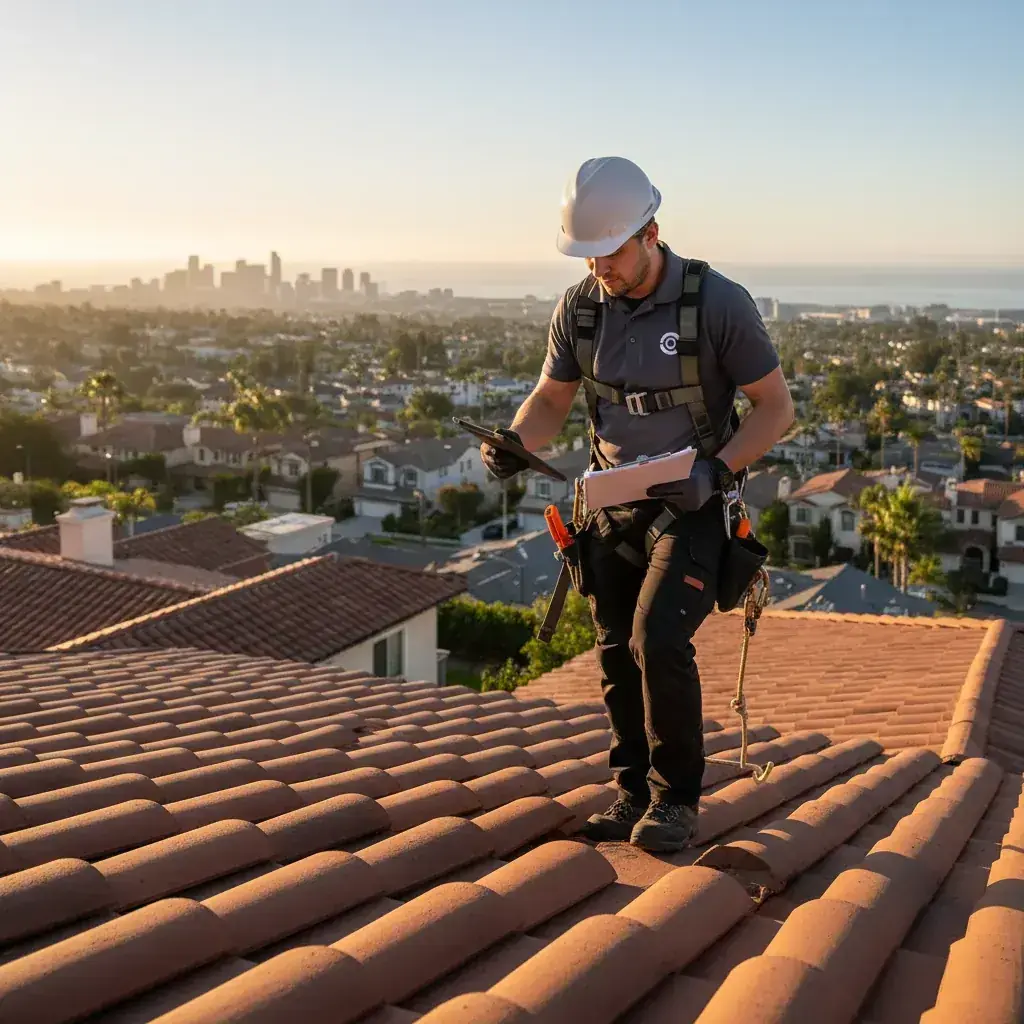
What this page is, and what it is not
California has housing and rental statutes. Local cities and the County of San Diego have code-enforcement paths. None of that is something a matching service should apply to your facts. Leases, HOA rules, and insurance policies add more layers. Two units on the same street can have different answers.
If you need a legal conclusion, stop here and call a lawyer. If you need the leak documented and the water stopped, keep reading.
First jobs: stop water and write down what you see
Whether you own the building or live in it, the roof assembly does not care about the lease. Water still travels from a failed flashing, boot, or underlayment to a stain several feet away.
Practical steps a licensed roofer can take:
- Photograph the interior stain, the drip, and any wet belongings, with dates
- Photograph the roof area only if it is safe. Do not walk a wet tile roof
- Catch water with buckets and move furniture and electronics
- Ask for a temporary weather-tight step when rain is still in the forecast
- Get a written inspection that names the failed component, not “seal roof”
Our active roof leak emergency response guide is about containing water. It is not a legal timeline. Our San Diego roof inspection checklist is about what a good inspection looks for before the next storm.
Written notes help everyone later: when the drip started, who was told, and what the roofer found. That file is evidence for people who are allowed to use it, including your lawyer and your insurer. We do not tell you how to serve notice.
Why a C-39 should write the scope
Roof work on a rental is still roof work. Flashing, underlayment, decking, and tile lift-and-relay sit inside California’s C-39 classification. Confirm the independent roofer’s license at the CSLB license lookup.
A useful proposal names the assembly, the area, and what happens if wet sheathing shows up after tear-off. “Caulk the leak” without a diagnosis is a delay, same as on an owner-occupied house. See when roof sealant isn’t the right repair.
Property managers often need paperwork they can keep with the unit file: photos, license number, permit if the jurisdiction requires one, and a completion note. We connect landlords and managers with independent roofers who can produce that file. We do not represent you in a dispute with a tenant.
Questions a lawyer handles, not a roofer
Send these to counsel, not to a referral line:
- Who pays under the lease and California law
- Whether a habitability or code complaint is appropriate
- Repair-and-deduct, rent withholding, or deposit deductions
- How fast a repair “must” happen
- What to do if the other party ignores written notice
A roofer can say the underlayment failed. A roofer cannot tell you what that means for rent. If you already have a citation, a lawsuit, or a threatened eviction, get legal advice before you change the property or the payment arrangement.
Code enforcement exists in San Diego city and county. How to file, and what a citation does, is also a question for those agencies and for counsel, not for us.
Owners and managers: inspection before the wet season
Deferred flashing and slipped tile are how a small leak becomes interior damage. An annual inspection before the first real rain is a maintenance choice. It does not create a legal safe harbor by itself. Schedule a roof inspection and keep the report with the property records.
If the unit is vacant, the same C-39 still needs access, fall protection, and a defined scope. If the unit is occupied, coordinate access with whoever lives there. We do not referee that conversation.
Frequently asked questions
Who pays for a leaking roof in a San Diego rental?
That is a legal question. Ask a landlord-tenant lawyer. A licensed roofer can document the leak and price the repair. Top Pro Roofing SD can introduce that roofer.
How long does a landlord have to fix a roof leak in San Diego?
We do not set legal deadlines. An active leak still needs water control now. Timing disputes belong with counsel.
Can a tenant withhold rent or use a security deposit for roof work?
Do not take that from a roofing website. Ask a lawyer before you withhold money or charge a deposit.
Should I get the roof inspected before renting a San Diego property?
A licensed inspection before the rainy season is a practical way to find loose flashing, slipped tiles, and worn underlayment while the interior is still dry. It is not a substitute for legal advice about habitability.
When to call us
If you own, manage, or live in a San Diego rental and the roof is leaking, you need a licensed inspection and a written repair scope. Disputes about who pays go to a lawyer. Call us at (760) 750-5557 and we’ll connect you with a vetted local roofer for roof repair or roof leak repair.